Air Jordan 1: The Classic Silhouette That Shaped Sneaker Culture
ALEX NGUYEN•August 13, 2026
Few sneakers have held onto their standing the way the Air Jordan 1 has. Released in 1985 as Michael Jordan's first on-court shoe under his new contract with Nike, the silhouette wasn't originally built with fashion in mind. Over time, though, its simple shape and the cultural story behind it turned the Air Jordan 1 into one of the most important foundations of modern lifestyle sneakers.
Origins And Historical Significance
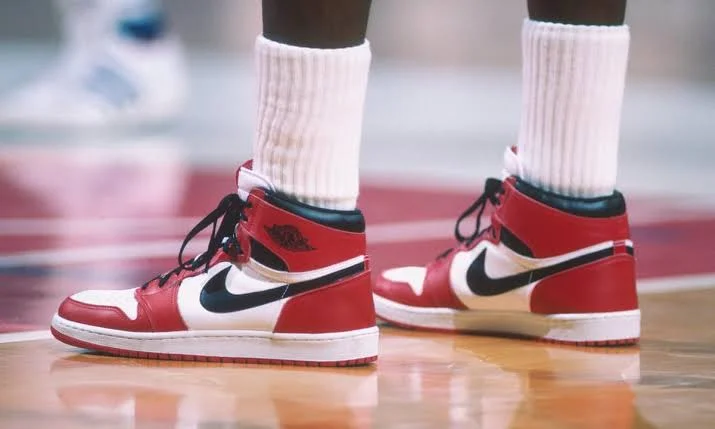
The Air Jordan 1 debuted in the Chicago colorway, pairing white, red, and black to match the Bulls' uniform. One detail that gets brought up often is the NBA fining Nike over the shoe not meeting the league's uniform color rules, a story that helped fuel early interest in the model. What started as an on-court shoe gradually expanded into streetwear, made its way onto high-fashion runways, and became a staple in the rotation of sneakerheads across generations.
What keeps this silhouette relevant is how little the shape has changed since its 1985 debut. Rather than constantly updating the tech the way later Air Jordan models did, the Air Jordan 1 held onto its classic identity, and that turned into an advantage as retro-driven trends took over the market.
Design And Materials
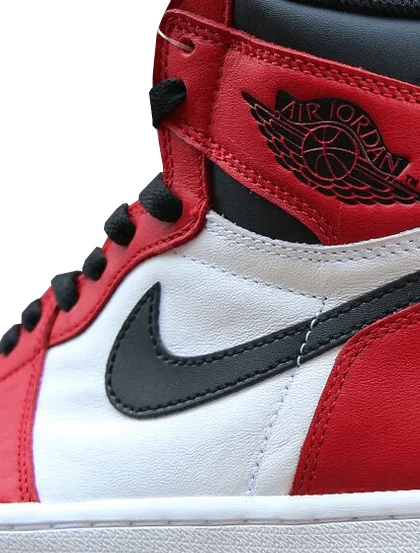
Structurally, the Air Jordan 1 High uses an upper built mostly from leather, mixing smooth leather panels with suede depending on the colorway. The high collar is the most recognizable identifier, originally meant to protect the ankle during play and now functioning mainly as a design signature that separates the High from the Low and Mid.
The rubber outsole keeps a traditional tread pattern, functional enough for everyday movement but not built for high-intensity athletic use. That makes sense given the Air Jordan 1's current positioning as a lifestyle shoe rather than a performance one.
One thing worth flagging for anyone new to the silhouette is the relatively thin midsole compared to modern sneakers. The close-to-the-ground build gives it a planted, stable feel while standing, but it also limits cushioning, particularly on the Low, where forefoot stack height sits on the lower end. The High and Mid carry more padding around the collar, which helps somewhat with comfort during extended wear.
The Everyday Wearing Experience
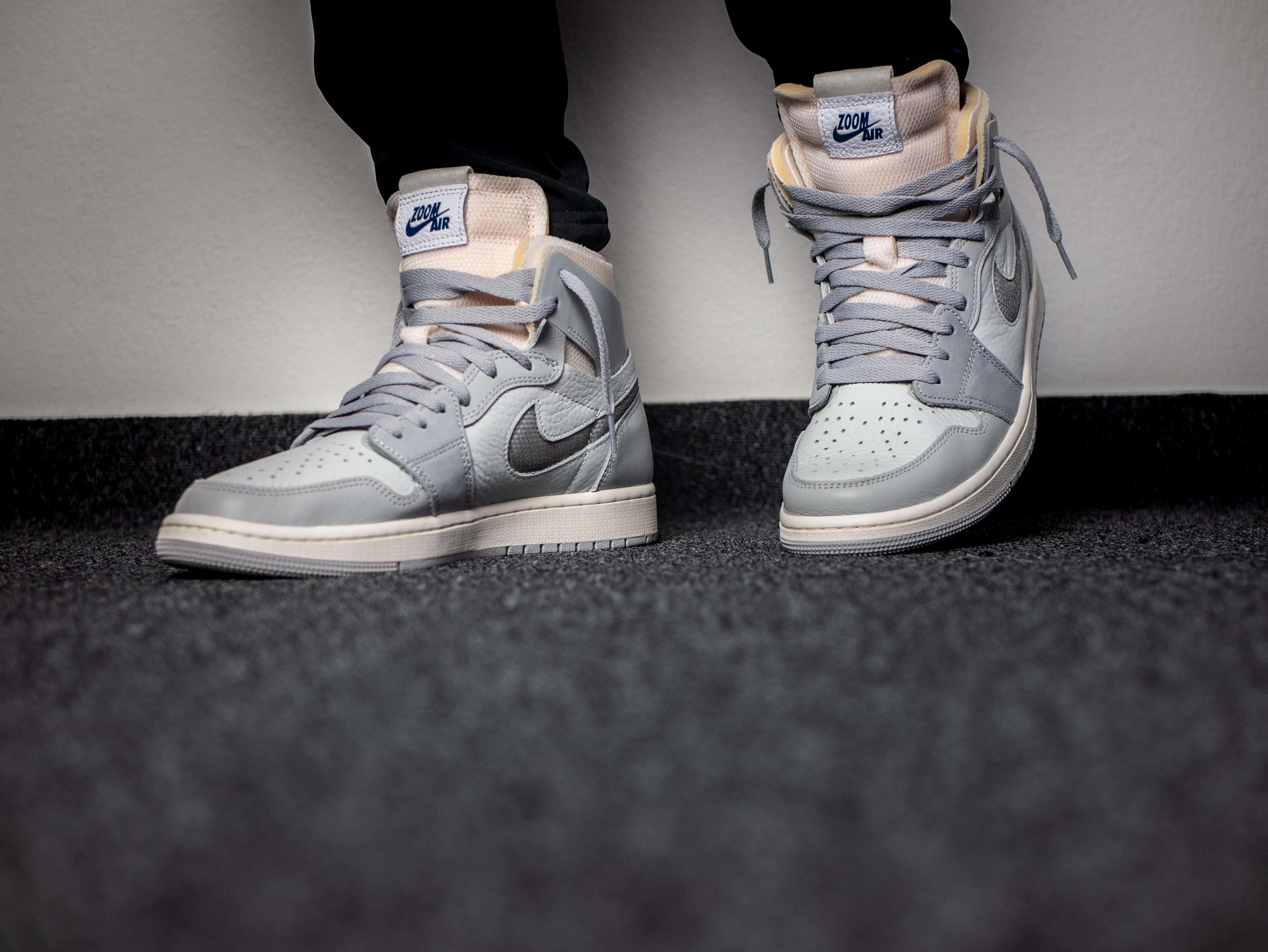
How the Air Jordan 1 feels day to day depends a lot on whether the wearer is prioritizing style or all-out comfort. Compared to modern running shoes or even later Air Jordan models, it doesn't stand out for cushioning. The heel unit uses Air technology, but it's not enough on its own to create a noticeably plush ride, so most of the comfort comes down to how broken in the leather is.
Fit-wise, the Air Jordan 1 typically runs true to size, though the heel and midfoot tend to lock down tighter than the forefoot, giving it a secure feel during movement. That's a plus for anyone who values a snug fit, but it can feel a little tight early on for wider feet.
Durability holds up well on Retro High OG releases, where the leather upper tends to be on the thicker side and can handle long-term wear if cared for properly. A common issue with older or long-stored pairs is midsole yellowing, something collectors are split on: some see it as a natural mark of age, others consider it a downside to watch for when buying older deadstock pairs.
The Range Of Colorways
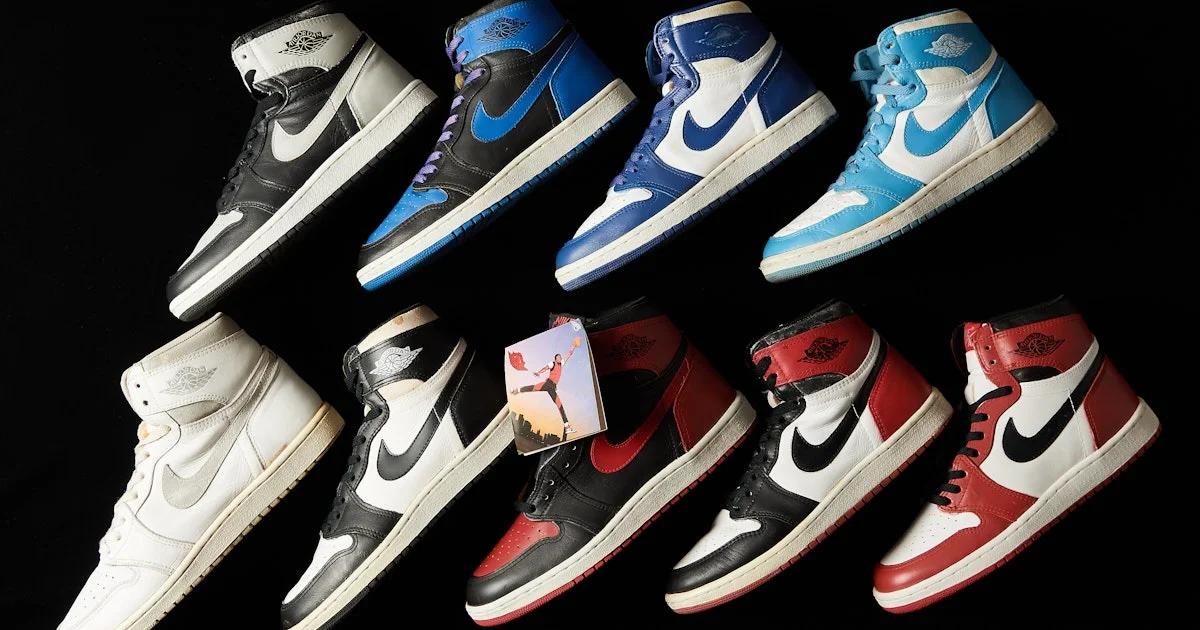
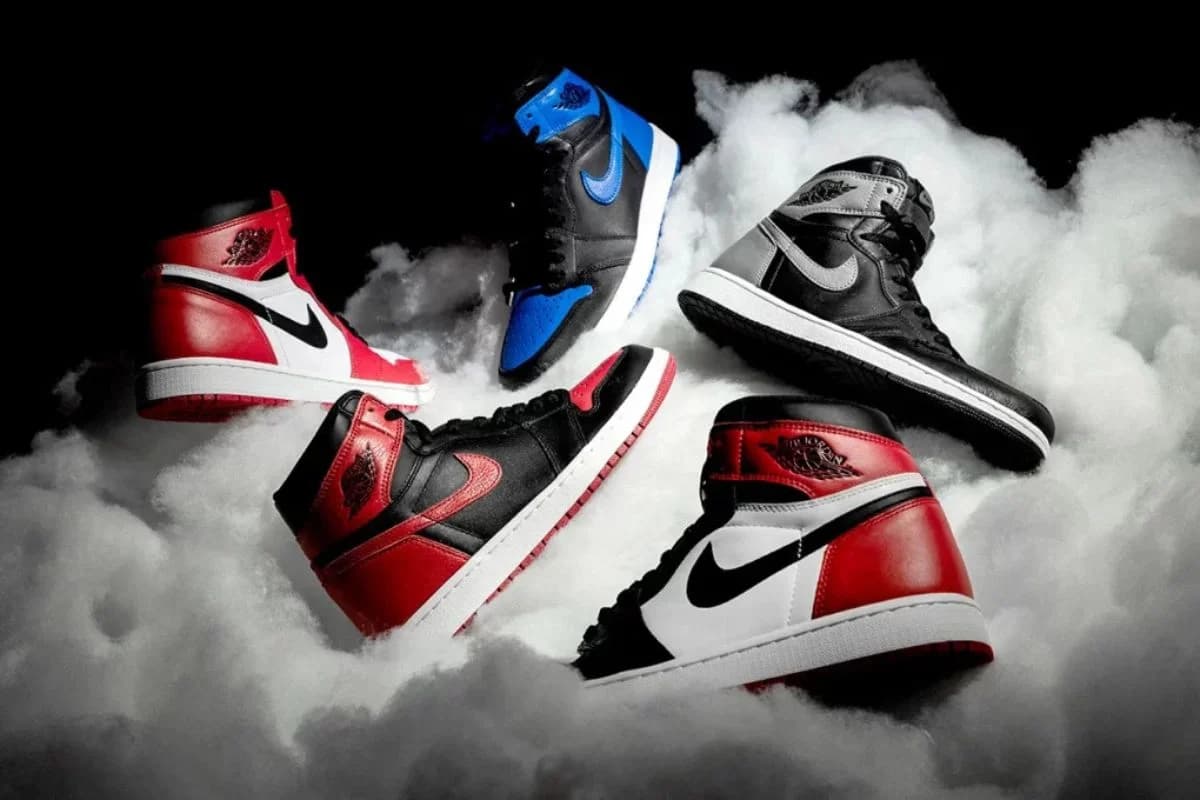
Few silhouettes carry a colorway catalog as deep as the Air Jordan 1's. From historically significant OG releases like Chicago, Bred, and Royal to a long list of collaborations with fashion labels and artists, the Air Jordan 1 keeps getting reintroduced in new forms. That range is a big part of why it stays relevant across such a wide audience, from longtime sneakerheads to people just getting into the culture.
The three main builds, High, Mid, and Low, each serve a different purpose. The High delivers the fullest OG look and holds the strongest collector value, the Mid strikes a balance between silhouette and price, and the Low suits anyone who wants a lower-profile, more casual option.
Who Should Consider This Shoe
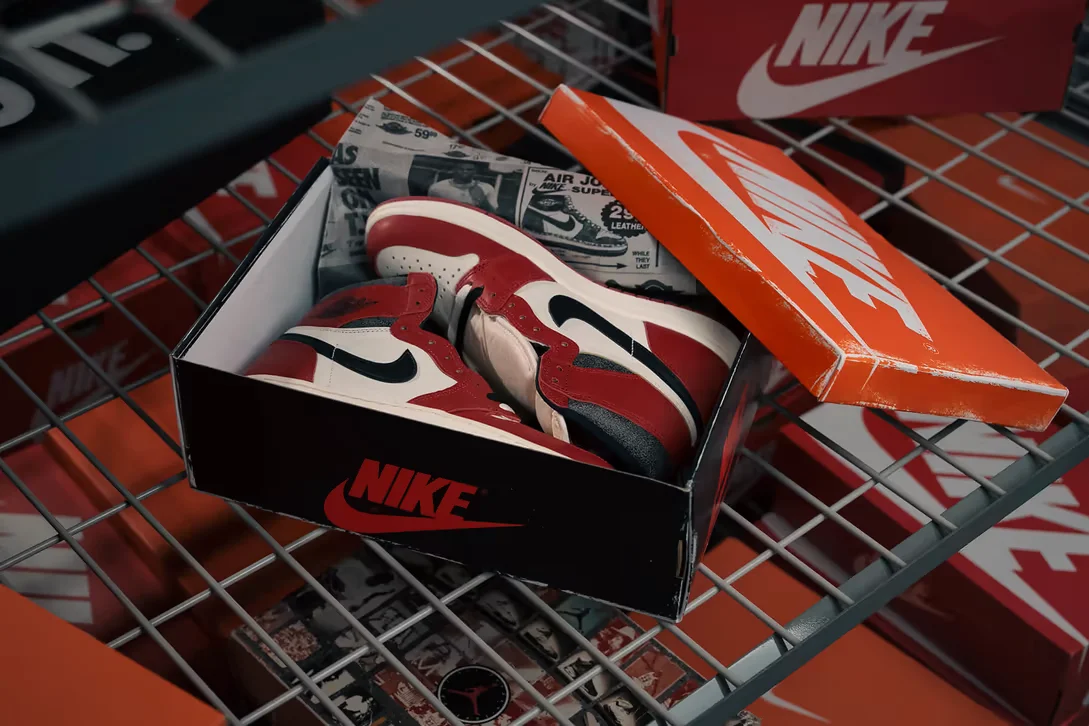
The Air Jordan 1 works best for anyone looking for an iconic sneaker that pairs easily with a wide range of styles, from streetwear to smart casual. For those who care most about all-day cushioning, more modern sneakers with updated foam technology are likely a better fit.
On the other hand, if aesthetics, heritage, and long-term value retention matter most, the Air Jordan 1 remains one of the safest and most enduring picks in the sneaker market today. Nearly four decades after its debut, the silhouette still makes a clear case for why it's usually the starting point for anyone getting into sneaker culture.
LATEST NEWS
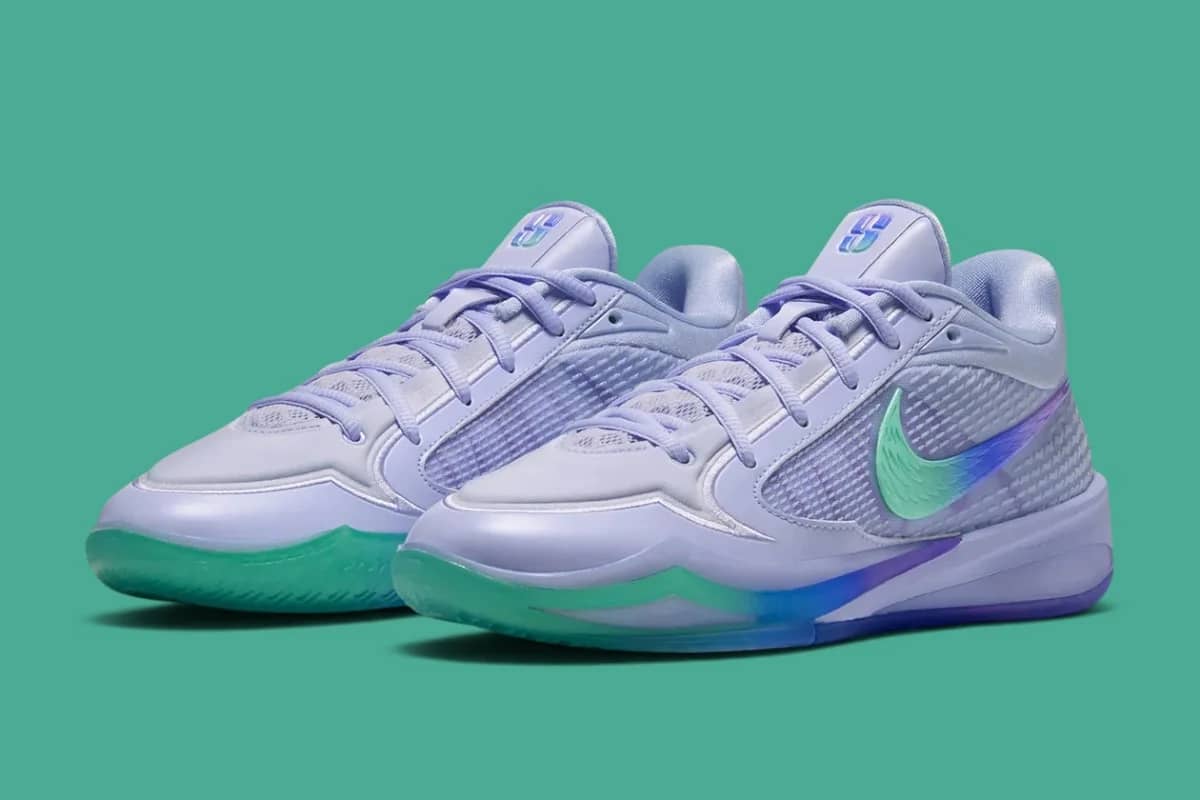
Nike Sabrina 4 “Superstition” Honors Sabrina Ionescu’s Pre-Game Ritual
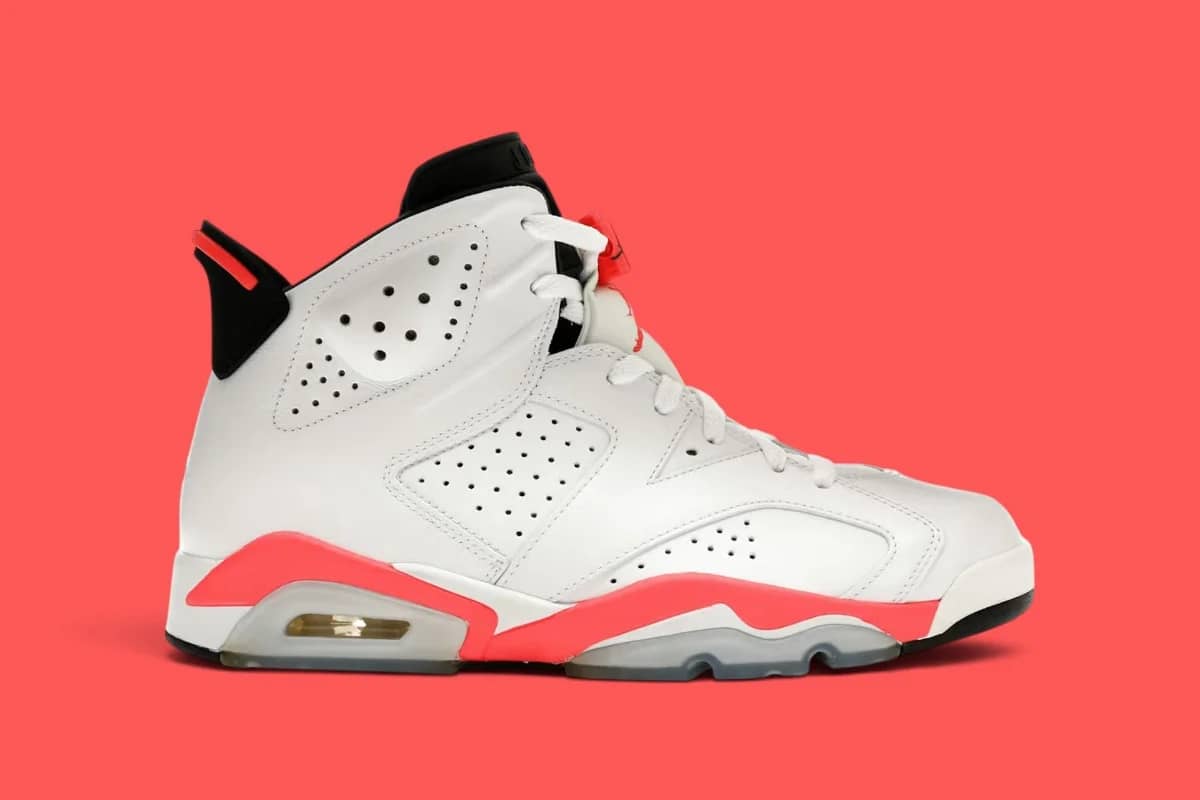
Air Jordan 6 White Infrared Returns True to Its 1991 Original
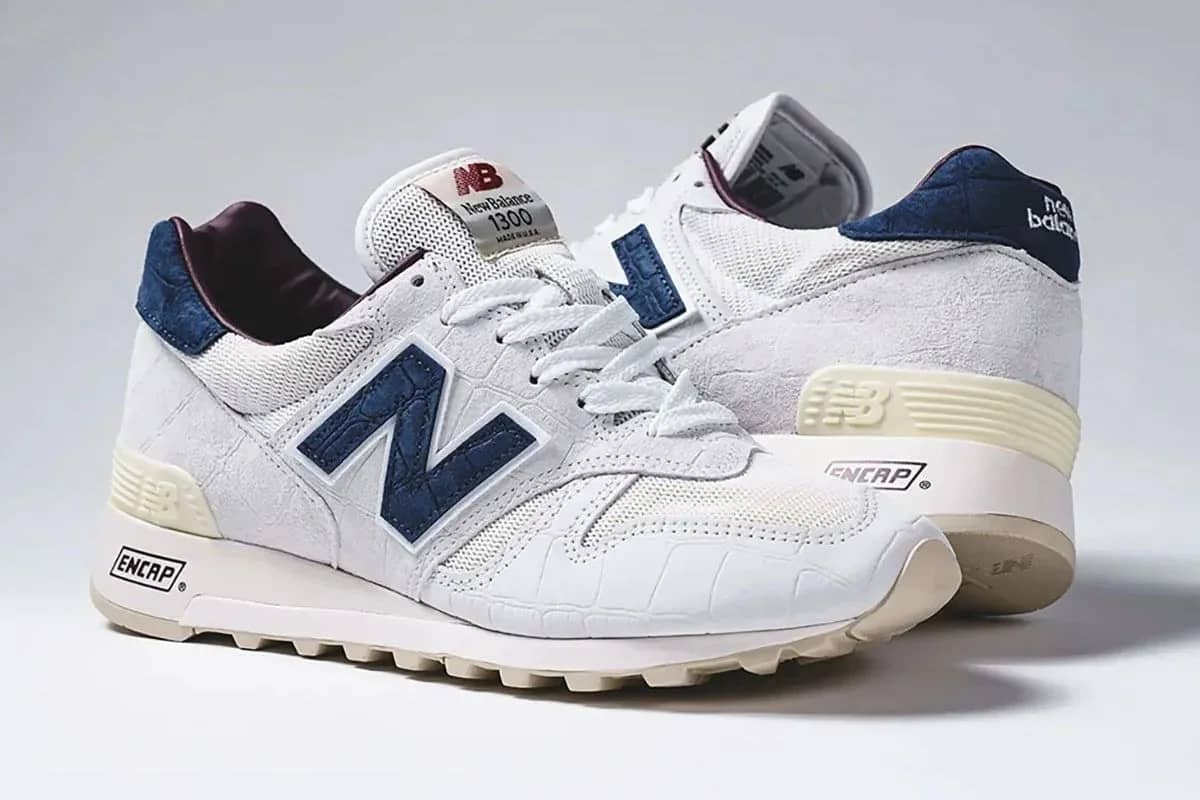
New Balance 1300 Made in USA Joins the Fall/Winter Collection
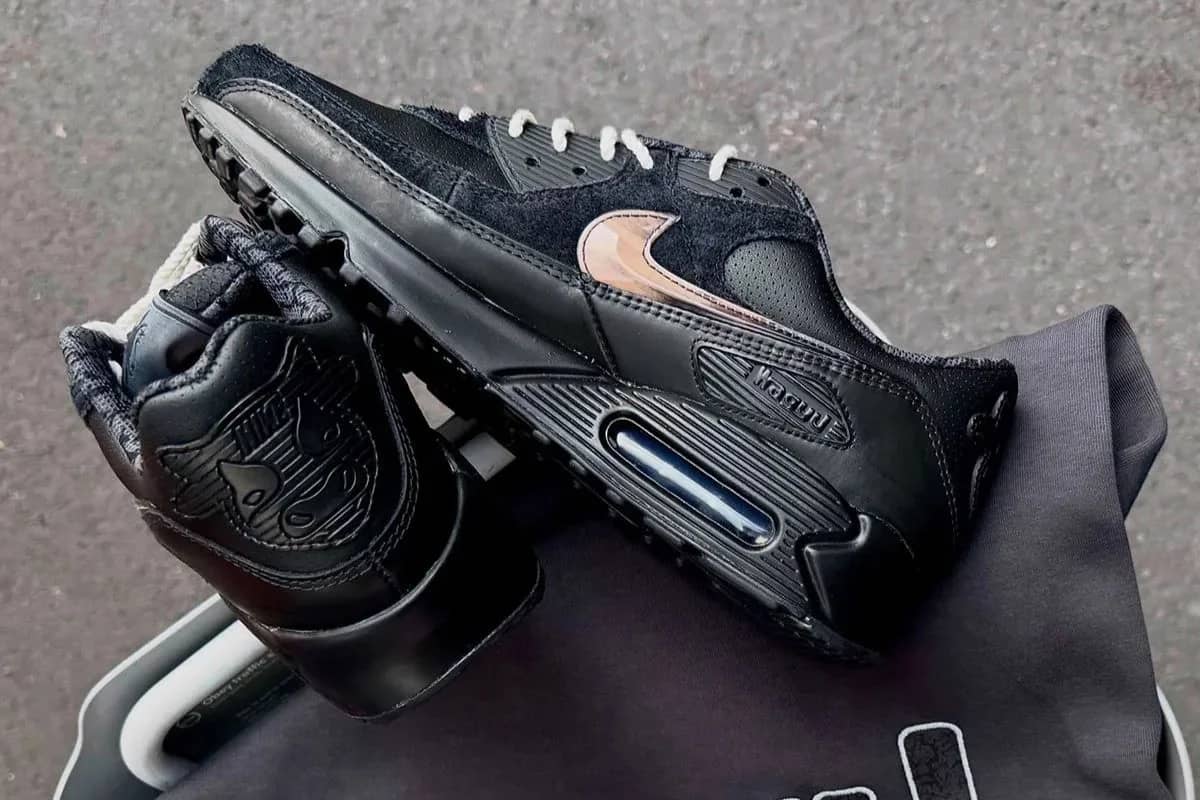
Wagyu Teams Up With Nike Air Max 90 for a Unique Culinary Concept
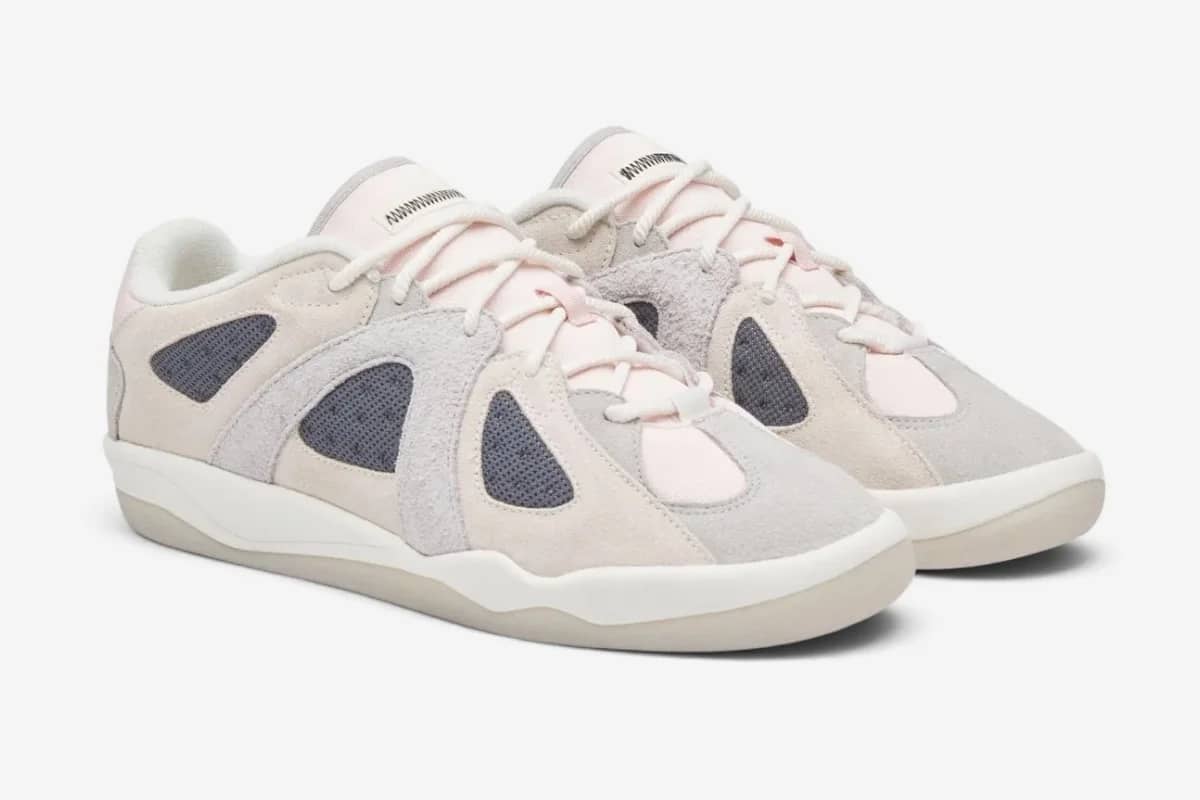
Bad Bunny Upgrades the Badbo to Version 1.1 in Chalk White
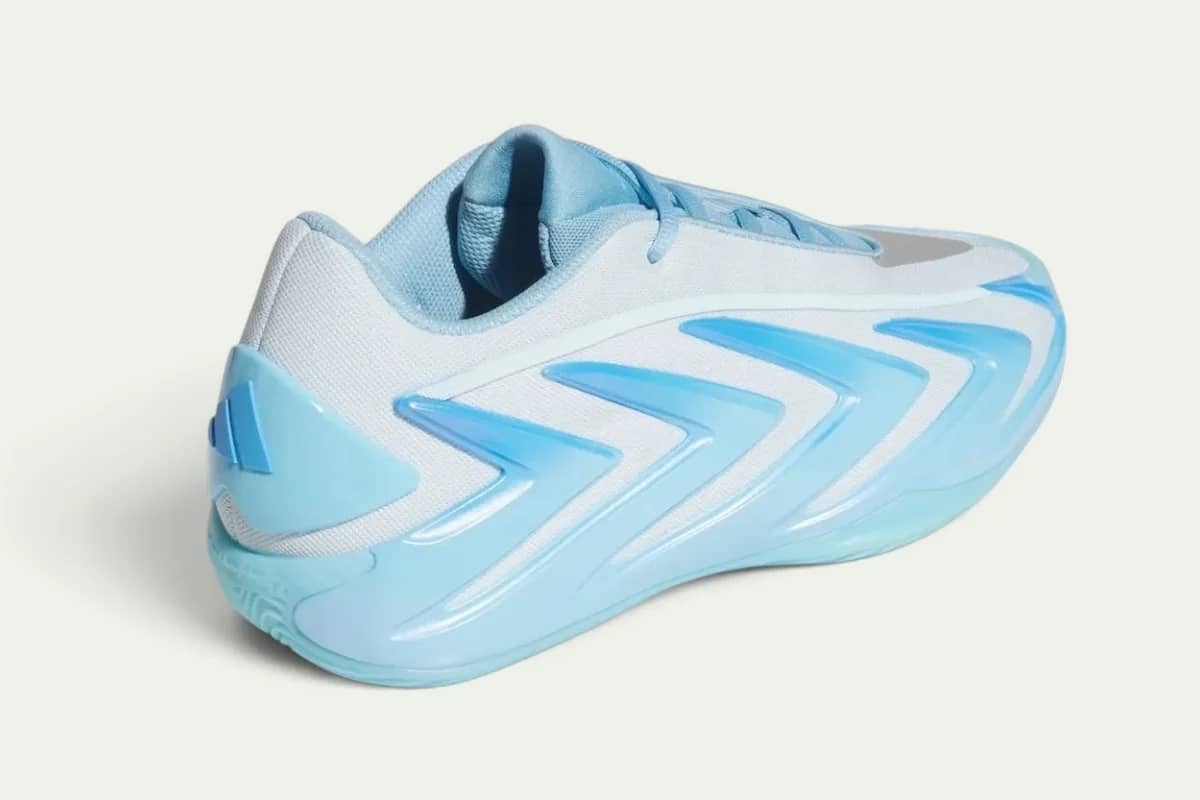
Adidas AE3 Cold Blooded Opens Anthony Edwards' Third Signature Line
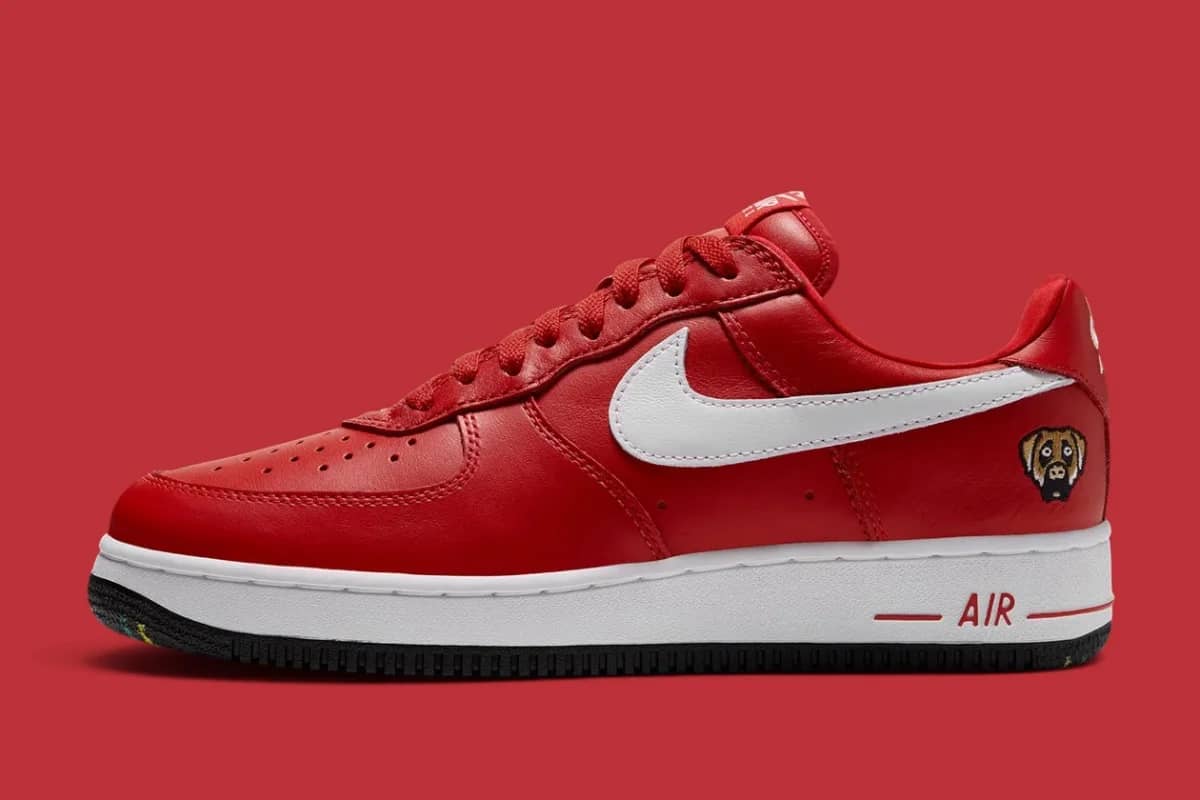
Victor Victor Brings Back the Nike Air Force 1 in University Red