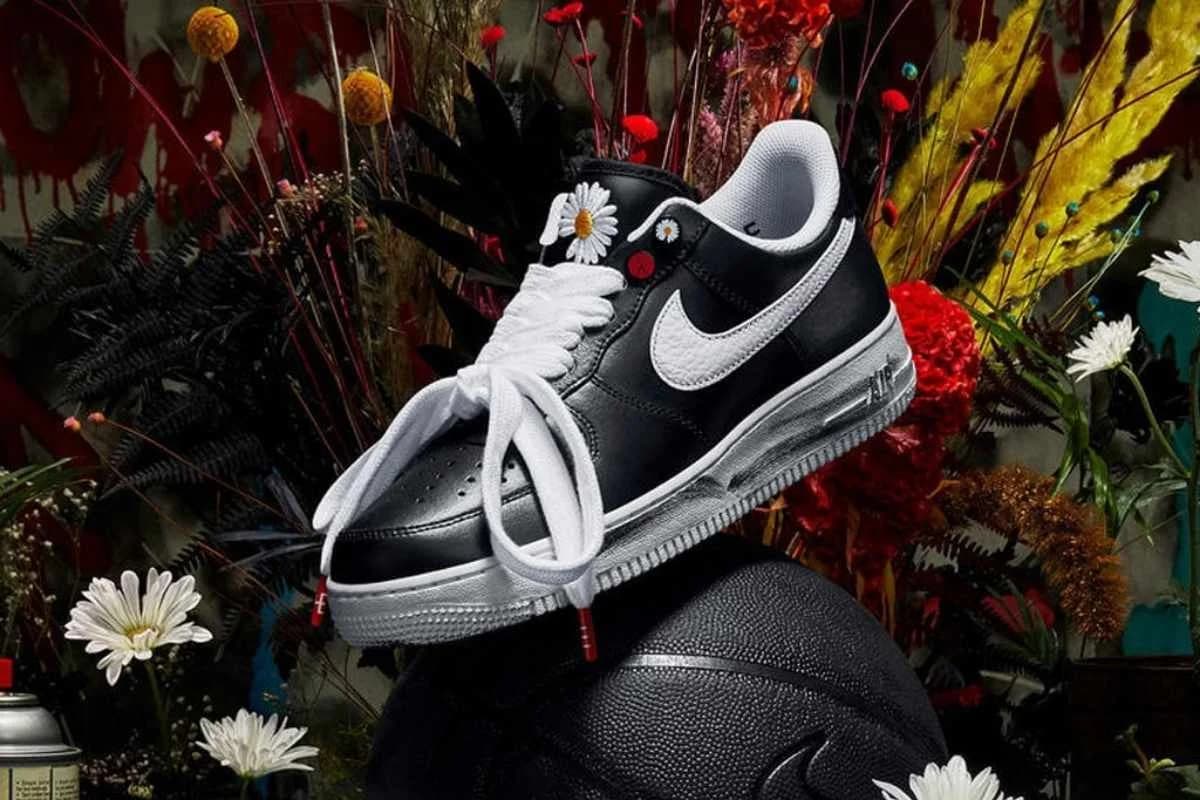
Air Force 1 At 44: Why The Midsole And Outsole Never Changed
ALEX NGUYEN•August 07, 2026
A Design Problem, Not A Style Exercise
In 1982, Nike handed designer Bruce Kilgore a specific brief: build the brand's first basketball shoe built around Air technology. Up to that point, the cushioning system had only shown up on running models like the Air Tailwind. Basketball was a different challenge entirely, a contact sport with repeated jumping and landing that put far more stress on a shoe's construction than distance running ever did. Players needed a midsole that could absorb impact on every landing while still holding up under sharp cuts and sudden changes of direction.
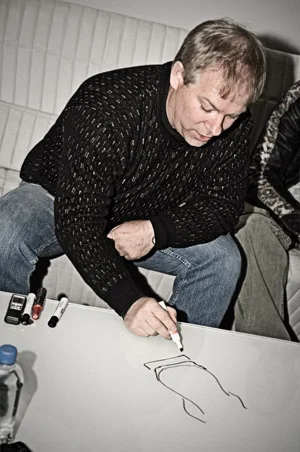
Kilgore's answer was to embed a full-length Air-Sole unit inside the rubber cupsole rather than leave it exposed, the way earlier Air models had. That approach spread shock evenly across the length of the foot while keeping the sole rigid enough to handle repeated jumps on hardwood. The lowered heel, meanwhile, didn't come from another basketball shoe at all. Kilgore borrowed it from the Nike Approach, a hiking boot with a dropped rear section designed to ease pressure on the Achilles tendon during constant up-and-down movement.
The Pivot Circle: A Small Detail That Shaped The Whole Outsole
Where the midsole handled impact, the outsole was built to solve a different problem: rotation. Most basketball shoes at the time used a traditional herringbone tread, great for straight-line traction but poorly suited to pivoting on one foot. Kilgore worked a set of concentric circles into the forefoot, giving players a fixed point to rotate around without losing grip mid-move.
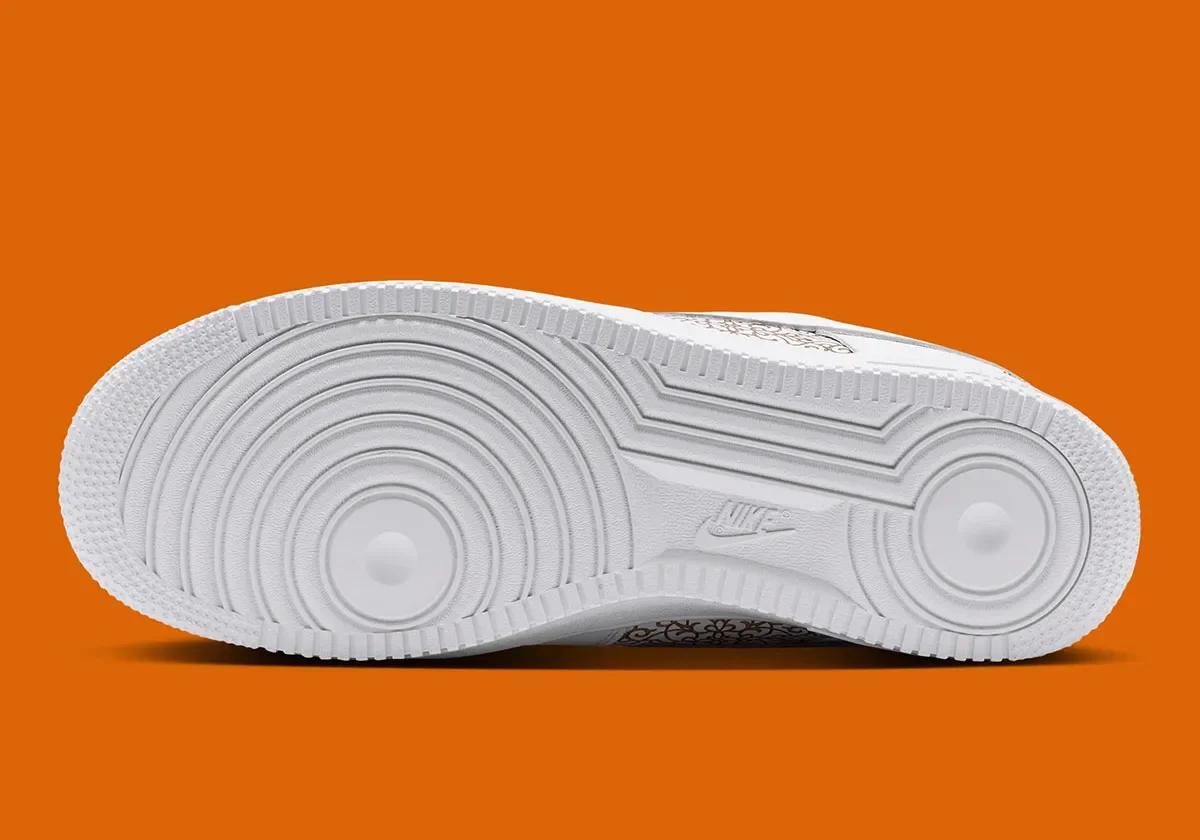
That detail, now widely known as the pivot circle, became one of the clearest visual signatures of the Air Force 1, sitting alongside the Jumpman on Air Jordan or the three stripes on adidas in terms of brand recognition. Keeping that outsole structure consistent across thousands of colorways isn't a lack of imagination on Nike's part. The geometry already hit its functional target on release, and over four decades it's become so tied to the shoe's identity that changing it would mean breaking the silhouette itself.
Why Nike Leaves The Original Formula Alone
Looking across four decades of Air Force 1 releases, nearly all of the change happens on the upper: materials, colorways, decorative details. The midsole and outsole, by comparison, have barely moved. There are three main reasons for that.
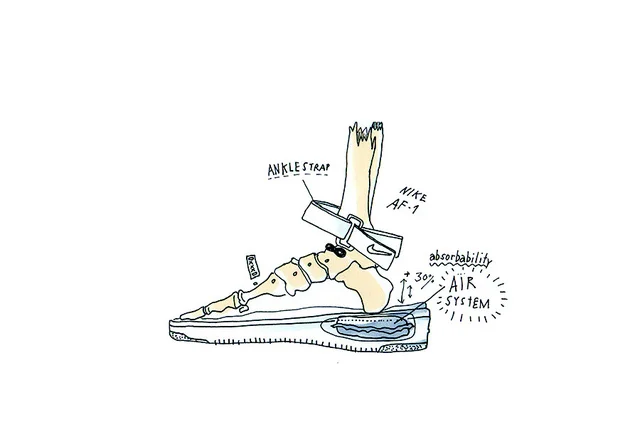
First, on a purely technical level, the encapsulated Air-Sole construction has held up well over time, and there's been no real pressure to swap it out for newer cushioning like React or Zoom on the core lifestyle line. Nike has tested those technologies on offshoots like the Air Force 1 React or the Foamposite, but those stay in spin-off territory, separate from the original low-top that still drives the bulk of sales.
Second, keeping the same tooling keeps production costs predictable at a scale of millions of pairs a year. The Air Force 1 remains one of the best-selling silhouettes in Nike's history, with thousands of colorways released since 1982. Retooling the sole mold would mean reinvesting across the entire production line, a hard case to make when the existing formula still works.
Third, and probably the biggest factor, is visual recognition. The Air Force 1 moved from a performance basketball shoe to a streetwear staple, closely tied to the sneaker community in Harlem, New York. For a shoe whose value now leans more on silhouette than on-court performance, holding the sole steady is how that identity gets preserved. No redesign could replicate it.
A Collector's Perspective
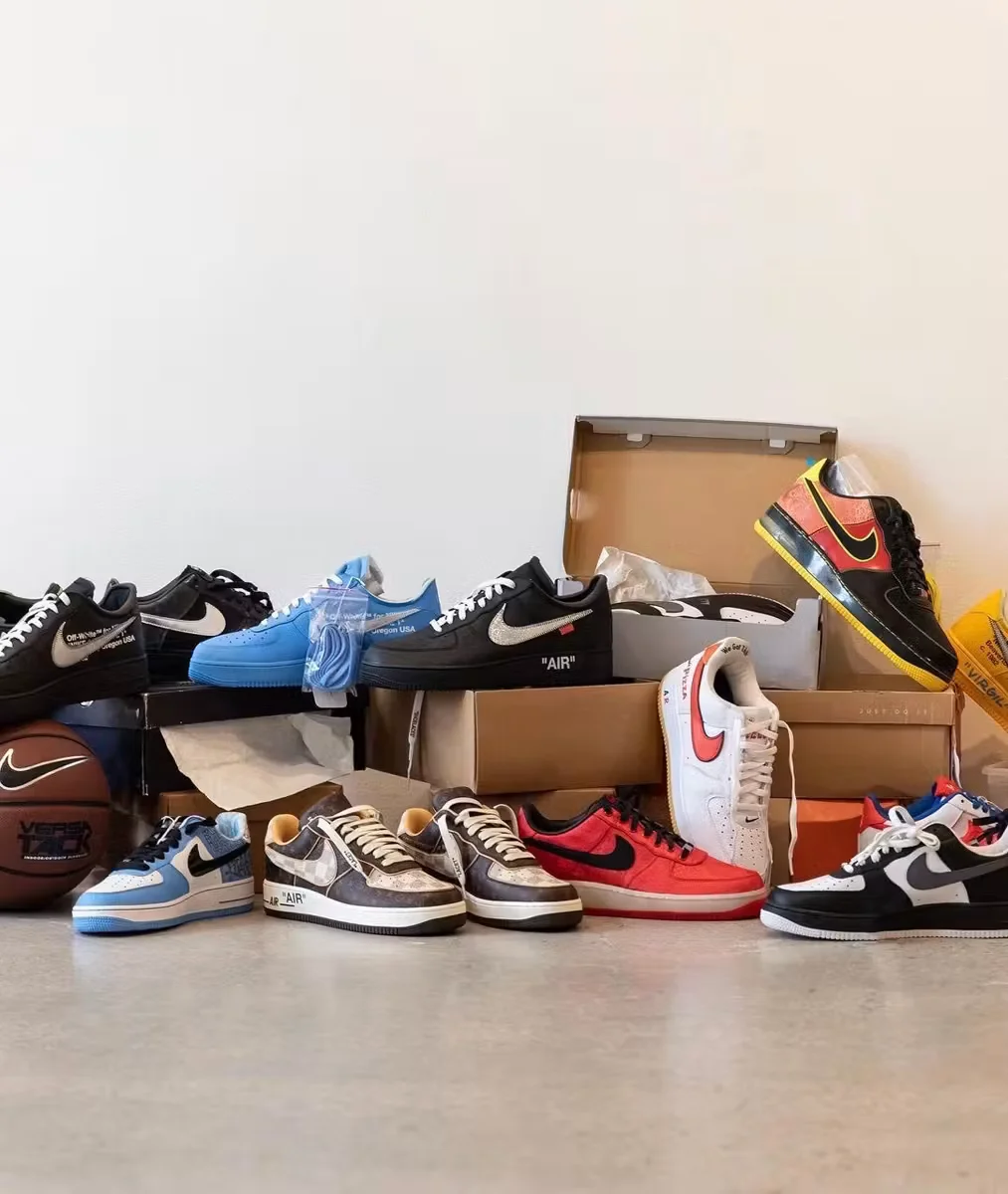
For anyone who's followed the Air Force 1 for years, that consistency works in its favor rather than against it. With the midsole and outsole holding the same proportions and structure release after release, it's easy to compare fit, wear patterns, or authenticity across different pairs without worrying about sizing drift or a different feel underfoot. It's also why the GS, PS, and TD versions made for kids, despite constant colorway rotation, still run on the same core sole, keeping the wear experience consistent across the whole product line.
Looked at over the long run, Nike leaving the Air Force 1's sole alone says something clear about the shoe's design: once something hits the right balance between function and identity, change isn't always the right move.
More Air Force 1 News
LATEST NEWS
Top 5 Basketball Shoes in 2026 Best Suited for the Center Position
Aya Brown Brings Vivid Green to the Nike Air Max 95
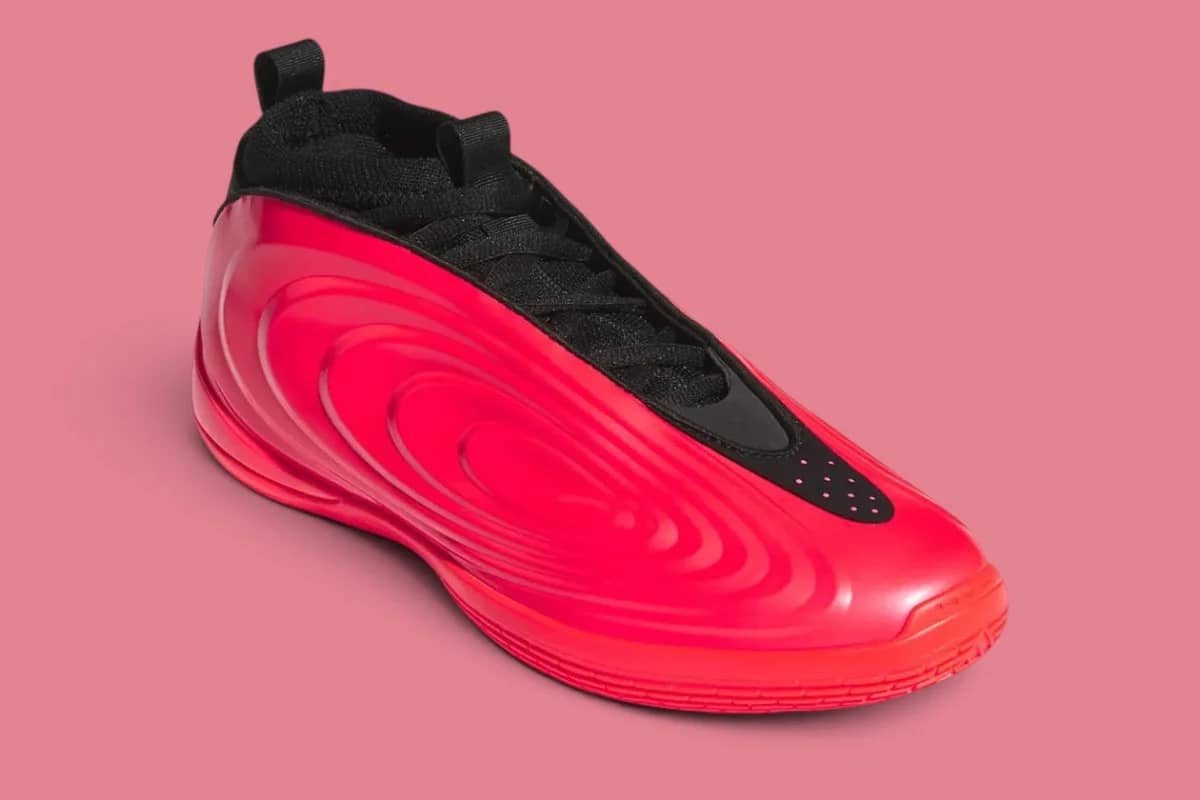
adidas Harden Vol. 10 "Ruby" Goes Monochrome Red

Air Jordan 4: From Basketball Sneaker To Cultural Icon
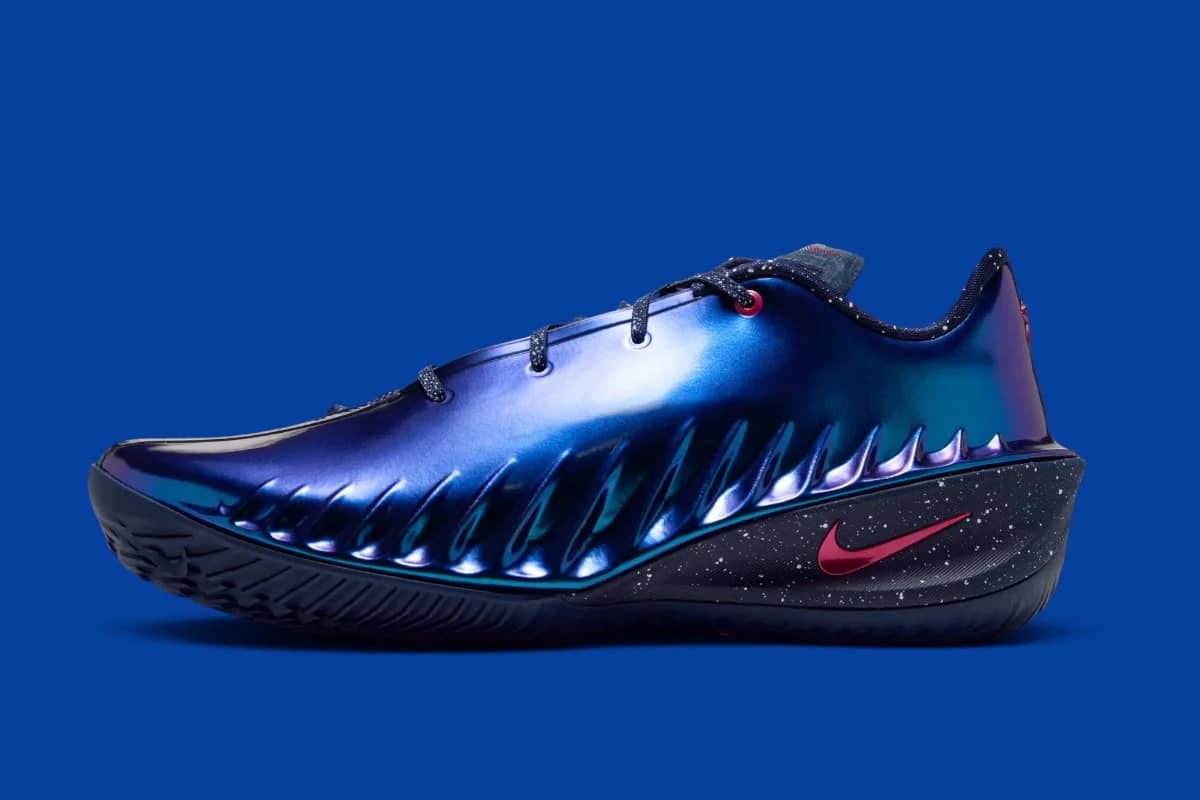
Nike GT Cut 4 PE Brings Cade Cunningham A Galaxy Colorway
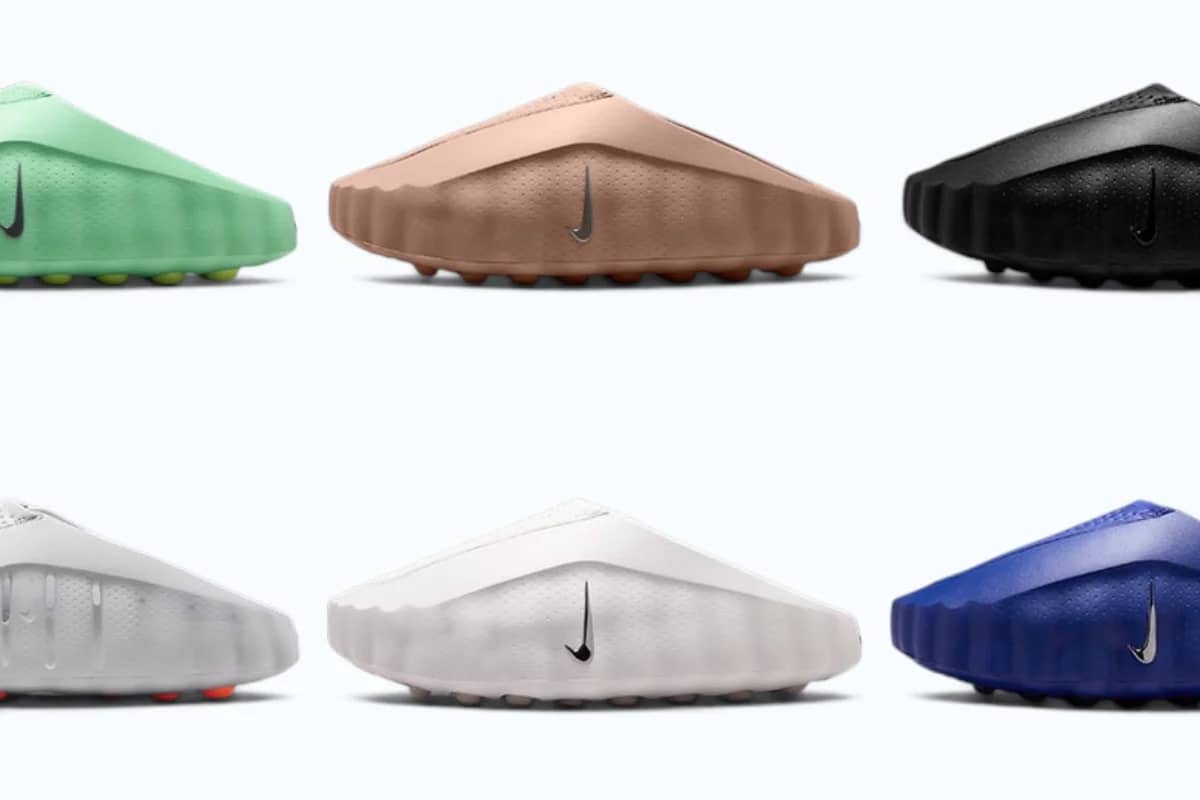
Nike Mind 001 Gears Up For A Fresh Restock
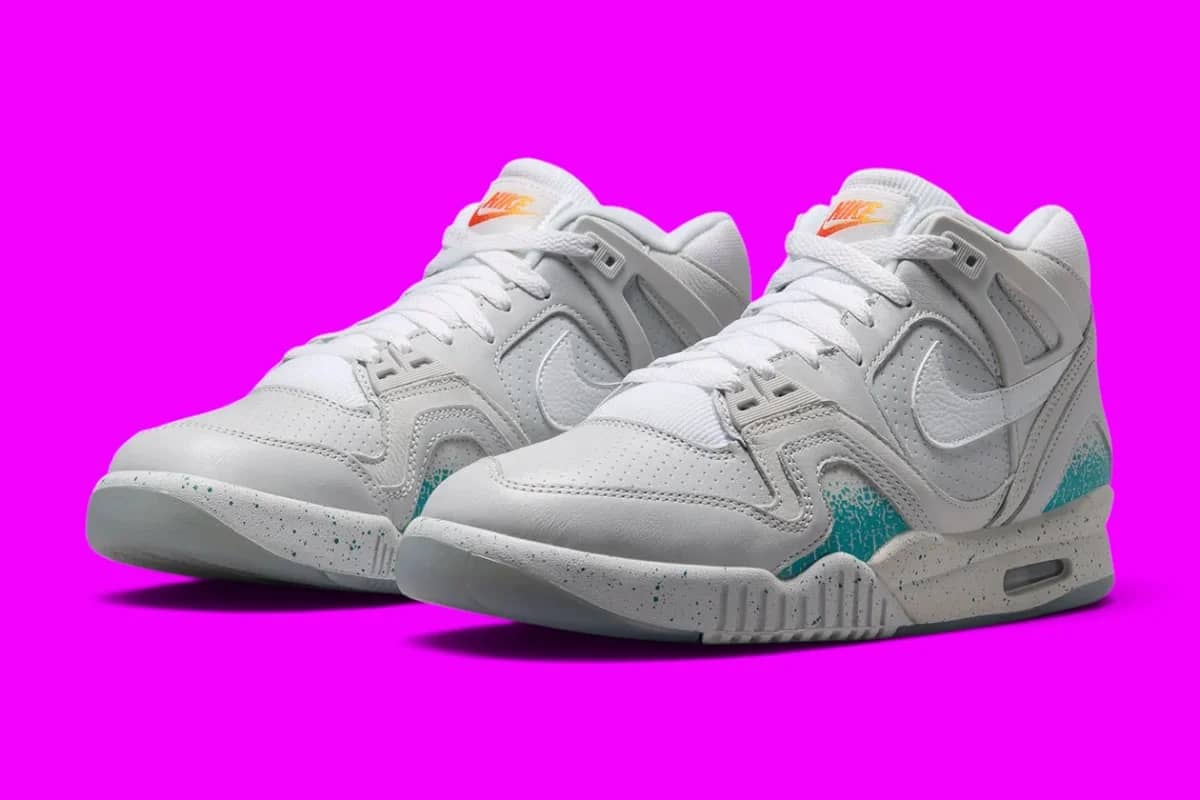
Nike Air Tech Challenge II Borrows Nike Mag's Colors For Back To The Future